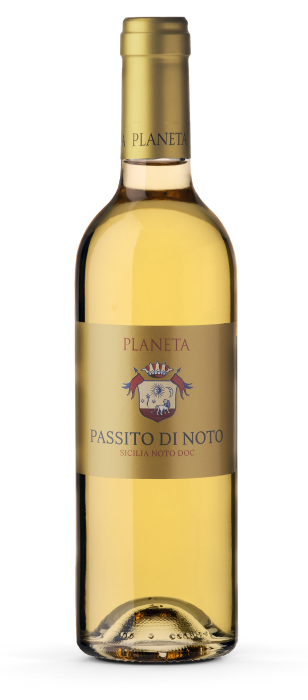
Sicily is the land of sweet wines in all its quarters, with different styles and varieties. In the opinion of many people Moscato – or perhaps the ‘moscati’ – is the original grape, for others the Biblino from Syracuse, the first wine described in Sicily, was the father of the present Moscato Passito di Noto. This is an antique wine which has become modern, thanks to a new system of drying. The vines are cultivated according to the criteria of sustainability and organicity, and together with careful vinification, respecting and protecting the aromatic profile. Explosive aromas of exotic fruit, jasmine and citrus fruit are complex while at the same time much enjoyed; the ideal companion for the great Sicilian tradition of sweets and ices.
Sostain
Organic wine
Passito di Noto
Sostain
Organic wine
denomination
Noto D.O.C.
Variety
100% Moscato Bianco
Location
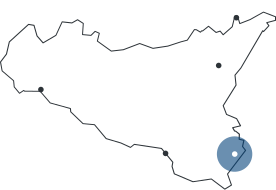
Noto (SR)
Vineyard
Agliastro, Buonivini
First vintage
2003
repertorio 1694 – Wine club
Wine club
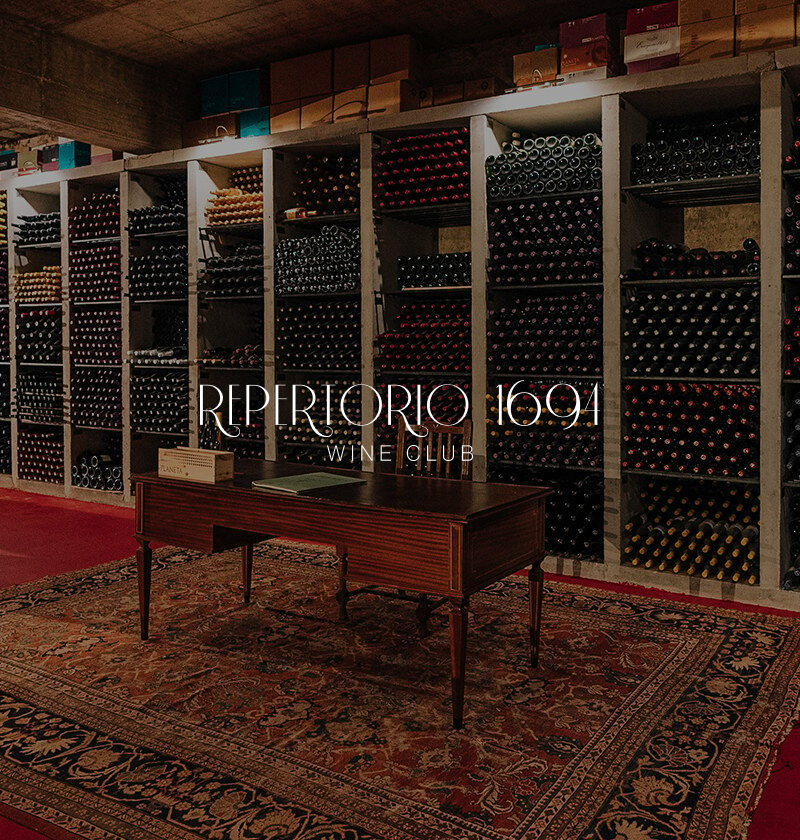
Repertorio 1694 is the Planeta wine club where you can purchase wines and oils, but also special packages, limited editions and a selection of wines from historical vintages and collector’s bottles which, since 1995, tell the story of our journey through the territories of Sicily. An online shop open to all those who want to delve into the Planeta world.
Details
TYPE OF SOIL
Soils consisting of lime marl, abundant structure of small elements; fine texture with light-coloured chalk fragments.
ALTITUDE
40 metres above sea level.
TRAINING SYSTEM
Espalier wih Guyot pruning system.
METHOD OF CULTIVATION
According to the criteria of organic agriculture and SOStain® protocols: ground cover with beans, vetch and wild flowers to supplement the organic material and nitrogen content to increase vitality of the soil’s microfauna; defence of plant life with sulphur and copper in very small quantities; attack on phytophages with effective insects, sexual confusion and application of natural restoratives such as zeolite, kaolin and vegetable extracts.
Tasting Notes
Sicilian sweet wines are timeless classics. They vary much from one corner to another of the island. The drying process of about a month and a half at moderate temperatures develops the enzyme processes which determine the complexity of extraordinary aromas. Thus ripe loquat, dried apricot, chestnut honey, rose petals, papaya and quince.
From the same winery
The others wines from Noto